Long working hours and screen time hypertension risk is rising worldwide. Learn causes, symptoms, prevention tips, and lifestyle controls in this 2025 guide.
Introduction
Hypertension (high blood pressure) has become one of the most common lifestyle-related health conditions worldwide. In 2025, prolonged working hours and excessive screen time are recognized as major silent contributors to rising hypertension rates, especially among office workers, remote professionals, and digital users. Understanding how these factors affect blood pressure—and how to control them—is essential for long-term cardiovascular health.
1. Relationship Between Long Working Hours and Hypertension
Extended working hours—particularly more than 48 hours per week—are strongly associated with elevated blood pressure levels.
How Long Working Hours Increase Blood Pressure
- Chronic stress activation (increased cortisol and adrenaline)
- Reduced physical activity
- Irregular sleep patterns
- Unhealthy eating habits during work hours
- Increased sympathetic nervous system activity
Studies show that individuals working long hours have a 20–40% higher risk of developing hypertension compared to those with balanced work schedules.
2. Impact of Excessive Screen Time on Blood Pressure
Screen time refers to prolonged use of computers, smartphones, tablets, and televisions.
Mechanisms Linking Screen Time to Hypertension
- Sedentary behavior reduces vascular flexibility
- Blue light exposure disrupts circadian rhythm
- Mental overstimulation increases heart rate and stress
- Reduced melatonin production, affecting sleep quality
- Poor posture, contributing to vascular strain
Spending more than 6–8 hours daily on screens significantly increases the risk of both prehypertension and stage 1 hypertension.
3. Combined Effect: Work Stress + Screen Exposure
When long working hours are combined with excessive screen time, the effects are synergistic rather than additive.
High-Risk Groups
- IT professionals
- Remote workers
- Call center employees
- Freelancers
- Corporate executives
- Students preparing for competitive exams
This combination leads to:
- Persistent elevation of systolic blood pressure
- Increased risk of heart disease and stroke
- Early onset hypertension in adults aged 25–45
4. Warning Signs of Work-Related Hypertension
Hypertension caused by lifestyle factors often goes unnoticed.
Common Symptoms
- Frequent headaches
- Eye strain and blurred vision
- Fatigue and irritability
- Palpitations
- Poor sleep quality
- Neck and shoulder stiffness
⚠️ Many people remain asymptomatic, making regular blood pressure monitoring essential.
5. Preventive Measures and Precautions
Preventing hypertension related to work and screen exposure requires daily habit modification.
Workplace Precautions
- Take 5–10 minute breaks every hour
- Follow the 20-20-20 rule for eye health
- Use ergonomic chairs and adjustable desks
- Avoid multitasking overload
- Limit overtime work whenever possible
Screen Usage Precautions
- Enable blue light filters
- Avoid screens at least 1 hour before sleep
- Maintain correct screen distance and height
- Reduce unnecessary mobile phone use
6. Lifestyle Controls to Manage Blood Pressure
Effective blood pressure control depends on consistent lifestyle practices.
Proven Control Strategies
- Regular physical activity (150 minutes/week)
- Stress management (yoga, meditation, breathing exercises)
- Adequate sleep (7–8 hours daily)
- Reduced salt intake
- Balanced diet rich in fruits, vegetables, and whole grains
- Limit caffeine and processed foods
Even small improvements can reduce systolic blood pressure by 5–10 mmHg.
7. Role of Regular Health Monitoring
Early detection prevents long-term complications.
Recommended Monitoring
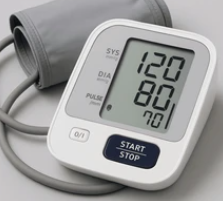
- Check blood pressure at least once a month
- Use validated home BP monitors
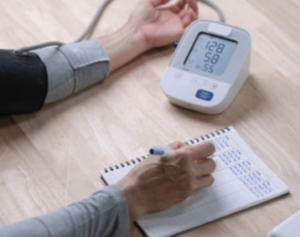
- Track readings digitally or in a logbook
- Seek medical advice if readings remain above 130/80 mmHg
8. Long-Term Health Consequences If Ignored
Uncontrolled hypertension due to work-related habits can lead to:
- Heart attack
- Stroke
- Chronic kidney disease
- Vision loss
- Cognitive decline
Early lifestyle intervention significantly lowers these risks.
IMPORTANT
Long working hours and excessive screen time are modern lifestyle hazards that silently elevate blood pressure. While professional demands may be unavoidable, adopting preventive measures, reducing screen exposure, managing stress, and monitoring blood pressure regularly can effectively control hypertension. In 2025 and beyond, workplace health awareness is not optional—it is essential for long-term well-being.
FAQ 1
1. How do long working hours increase the risk of hypertension?
Long working hours increase stress hormones like cortisol, reduce physical activity, disturb sleep, and promote unhealthy eating habits, all of which raise blood pressure over time.
2. Can excessive screen time really cause high blood pressure?
Yes. Excessive screen time encourages a sedentary lifestyle, eye strain, mental stress, and poor sleep patterns, which contribute to elevated blood pressure levels.
3. How many working hours per day are considered risky for blood pressure?
Working more than 8–9 hours daily on a regular basis is associated with a higher risk of hypertension, especially when combined with limited breaks and high stress.
4. How much screen time is considered excessive for adults?
More than 6–8 hours of daily recreational or work-related screen time is considered excessive and may increase the risk of hypertension and other lifestyle diseases.
5. Does work-from-home increase hypertension risk?
Work-from-home can increase hypertension risk if it leads to longer working hours, reduced movement, constant screen exposure, and poor work–life balance.
6. Can reducing screen time help lower blood pressure?
Yes. Reducing screen time improves sleep quality, lowers stress levels, and encourages physical activity, all of which help in controlling blood pressure.
7. What are early warning signs of hypertension related to work stress?
Early signs may include frequent headaches, fatigue, irritability, sleep problems, neck pain, and difficulty concentrating, although hypertension often has no symptoms.
8. Who is most at risk of hypertension from long working hours and screen time?
Office workers, IT professionals, remote workers, freelancers, and individuals with sedentary jobs are at higher risk, especially if they already have stress or obesity.
9. What lifestyle changes can reduce hypertension risk for office workers?
Regular exercise, screen breaks, stress management, a balanced diet, limiting salt intake, and maintaining proper sleep routines can significantly reduce risk.
10. Can long working hours and screen time cause permanent hypertension?
If prolonged and unmanaged, these factors can contribute to chronic hypertension. However, early lifestyle changes can often prevent or reverse the condition.