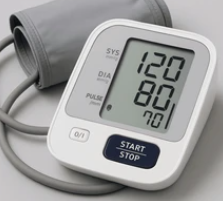
Blood pressure is the silent force in the body because it damages the body without symptoms. Learn hidden risks, causes, prevention & monitoring tips.
Introduction:
Blood pressure is often described as the “silent force” because it operates continuously without drawing attention—yet when imbalanced, it can silently damage vital organs for years before symptoms appear. Millions of people worldwide live with high blood pressure (hypertension) unknowingly, making it one of the most dangerous and underestimated health conditions today.
Understanding Blood Pressure: A Vital but Invisible Function
Blood pressure refers to the force of blood pushing against artery walls as the heart pumps. It ensures oxygen and nutrients reach every part of the body. While essential for survival, blood pressure remains invisible—you cannot feel it rising or falling under normal circumstances.
A normal reading is around 120/80 mmHg, but even slightly elevated levels over time can cause serious internal damage.
Why Blood Pressure Is Truly “Silent”
1. Lack of Early Symptoms
Hypertension usually develops gradually and rarely causes pain or noticeable warning signs. Many individuals feel healthy while their blood pressure remains dangerously high.
2. Gradual Organ Damage
Uncontrolled blood pressure silently damages:
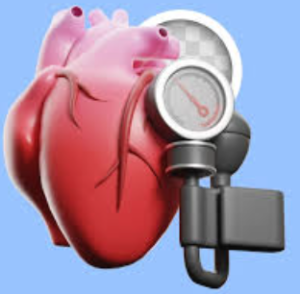
- Heart – increasing risk of heart attack and heart failure
- Brain – raising the likelihood of stroke and memory decline
- Kidneys – leading to chronic kidney disease
- Eyes – causing vision impairment or blindness
This damage accumulates quietly over years.
3. Sudden, Life-Threatening Outcomes
For many people, the first sign of high blood pressure is a medical emergency, such as a stroke or heart attack, emphasizing its silent but deadly nature.
Modern Lifestyle and the Rising Silent Risk
Sedentary routines, long screen hours, stress, processed foods, and high salt intake have increased blood pressure disorders—even among younger adults. This makes regular screening more important than ever.
Why Monitoring Blood Pressure Saves Lives
Since symptoms are absent, routine blood pressure checks are the only reliable detection method. Early diagnosis allows:
- Lifestyle correction before medication is needed
- Prevention of permanent organ damage
- Reduced risk of cardiovascular events
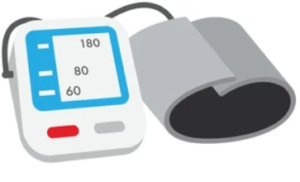
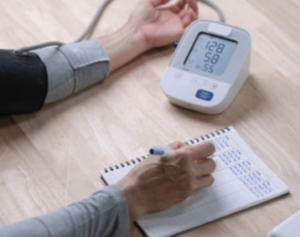
Home monitoring devices and annual health checkups are strongly advised.
Breaking the Silence: Prevention and Control
Blood pressure can often be controlled through:
- Low-salt, heart-healthy diets (DASH or Mediterranean)
- Regular physical activity
- Stress management and quality sleep
- Avoiding smoking and limiting alcohol
- Maintaining a healthy weight
Small, consistent changes can significantly lower long-term risk.
Conclusion
Blood pressure earns the title “silent force” because it supports life quietly—but can destroy it just as quietly when ignored. Awareness, early screening, and healthy lifestyle choices are the key to preventing its hidden dangers and protecting long-term health.
✅ FAQs
1. Why is high blood pressure called the silent killer?
High blood pressure is called the silent killer because it often causes no symptoms while quietly damaging the heart, brain, kidneys, and blood vessels.
2. Can you feel when your blood pressure is high?
Most people cannot feel high blood pressure. Symptoms usually appear only after serious complications develop.
3. How often should blood pressure be checked?
Healthy adults should check blood pressure at least once a year, while high-risk individuals should monitor it more frequently or at home.
4. What organs are most affected by high blood pressure?
The heart, brain, kidneys, eyes, and blood vessels are the most commonly affected organs.
5. Can lifestyle changes control blood pressure without medication?
Yes, early-stage high blood pressure can often be controlled through diet, exercise, stress reduction, and weight management.
6. Is high blood pressure common in young adults?
Yes, due to stress, poor diet, lack of exercise, and excessive screen time, hypertension is increasingly common in younger adults.