Blood pressure disease is one of the most common and dangerous health conditions affecting millions of people worldwide. Despite its widespread presence, many people remain unaware that they are living with abnormal blood pressure levels until serious complications occur. This detailed pillar guide explains blood pressure disease in simple language so that every reader can understand, prevent, and manage it effectively.
Blood pressure plays a vital role in keeping the body alive by ensuring that oxygen-rich blood reaches all organs. However, when blood pressure becomes too high or too low for a prolonged period, it can damage the heart, brain, kidneys, and blood vessels. This article covers everything you need to know about blood pressure disease in one authoritative resource.
- What Is Blood Pressure Disease?
- Understanding Blood Pressure Readings
- Types of Blood Pressure Disease
- Causes of Blood Pressure Disease
- Symptoms of Blood Pressure Disease
- Diagnosis and Monitoring
- Treatment Options for Blood Pressure Disease
- Diet and Lifestyle for Blood Pressure Control
- Complications of Untreated Blood Pressure Disease
- Frequently Asked Questions (FAQs)
What Is Blood Pressure Disease?
Blood pressure disease refers to a medical condition in which the force of blood pushing against the walls of arteries remains consistently higher or lower than normal. The most common form is high blood pressure, also known as hypertension, which often develops silently over many years without obvious symptoms.
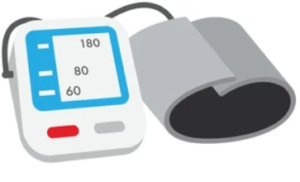
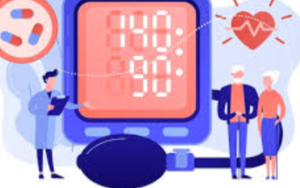
Blood pressure is measured using two numbers: systolic pressure (top number) and diastolic pressure (bottom number). When these numbers stay outside the healthy range for a long time, it leads to blood pressure disease and increases the risk of life-threatening complications.
Blood pressure disease is not a single illness but a long-term condition that requires continuous monitoring, lifestyle adjustments, and sometimes medication. Early understanding and awareness can significantly reduce health risks.
Because it often causes no pain or warning signs, blood pressure disease is sometimes called the “silent killer,” making regular checkups essential for prevention.
Understanding Blood Pressure Readings
Blood pressure readings consist of two measurements that describe how your heart and blood vessels are working. These values help doctors determine whether your blood pressure is normal, elevated, or dangerous.
The systolic number represents the pressure when the heart contracts and pumps blood. The diastolic number shows the pressure when the heart relaxes between beats.
Healthy blood pressure is usually considered around 120/80 mmHg. Readings consistently above or below this range may indicate blood pressure disease.
Understanding these numbers helps individuals take control of their health and seek medical care when needed.
- Normal blood pressure supports proper organ function and circulation.
- Elevated readings indicate early risk and require lifestyle correction.
- High blood pressure damages arteries and vital organs over time.
- Low blood pressure may cause dizziness and poor blood flow.
Types of Blood Pressure Disease
Blood pressure disease appears in different forms depending on whether pressure is too high or too low. Each type has unique causes, symptoms, and risks.
Hypertension is the most common type and affects adults of all ages. It often develops due to poor lifestyle habits and genetic factors.
Hypotension, or low blood pressure, is less common but can be equally dangerous when severe. It may result from dehydration, heart problems, or medications.
Recognizing the type of blood pressure disease is essential for selecting the correct treatment plan.
- Primary hypertension develops gradually without a clear cause.
- Secondary hypertension results from kidney or hormonal disorders.
- Orthostatic hypotension occurs when standing up suddenly.
- Chronic hypotension may indicate heart or nervous system issues.
Causes of Blood Pressure Disease
Blood pressure disease develops due to a combination of genetic, lifestyle, and environmental factors. Many causes are preventable through healthy living.
Unhealthy diets rich in salt, fat, and processed foods are major contributors. Physical inactivity and obesity further increase the risk.
Chronic stress, smoking, and excessive alcohol intake place additional strain on the heart and blood vessels.
Identifying these causes early helps individuals reduce their risk before permanent damage occurs.
- High salt intake causes water retention and raised pressure.
- Lack of exercise weakens the cardiovascular system.
- Smoking damages artery walls and reduces oxygen flow.
- Stress triggers hormonal changes that elevate blood pressure.
Symptoms of Blood Pressure Disease
Blood pressure disease often develops without noticeable symptoms, especially in its early stages. Many people feel completely normal even when pressure levels are dangerously high.
When symptoms do appear, they usually indicate advanced disease or complications affecting vital organs.
Low blood pressure may cause immediate symptoms such as fainting or dizziness due to reduced blood flow to the brain.
Recognizing warning signs can prompt timely medical attention and prevent emergencies.
- Persistent headaches may indicate high pressure.
- Chest pain can signal heart involvement.
- Dizziness and fainting are common in hypotension.
- Blurred vision may result from damaged blood vessels.
Diagnosis and Monitoring
What Is Blood Pressure Disease?
Diagnosing blood pressure disease requires regular and accurate measurements over time. A single high reading does not always confirm the condition.
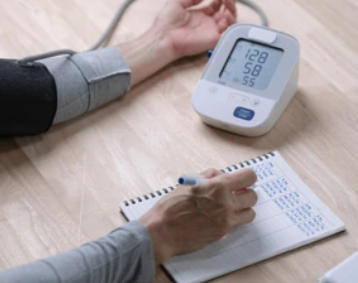
Doctors may recommend home monitoring or 24-hour ambulatory testing for more reliable results.
Additional tests help identify organ damage or underlying causes contributing to abnormal blood pressure.
Consistent monitoring allows early intervention and effective long-term management.
Treatment Options for Blood Pressure Disease
Treatment depends on the type, severity, and underlying causes of blood pressure disease. Most patients require a combination of lifestyle changes and medication.
Medications help control pressure levels but work best when supported by healthy habits.
Treatment plans are usually long-term and require regular follow-ups with healthcare providers.
Proper treatment significantly reduces the risk of heart attacks, strokes, and kidney failure.
- Diuretics help remove excess salt and water.
- ACE inhibitors relax blood vessels.
- Beta blockers reduce heart workload.
- Lifestyle changes enhance medication effectiveness.
Diet and Lifestyle for Blood Pressure Control
Diet and lifestyle play a critical role in preventing and managing blood pressure disease. Small daily changes can produce long-term benefits.
Healthy eating patterns such as the DASH diet have been proven to lower blood pressure naturally.
Regular physical activity strengthens the heart and improves circulation.
Consistency and moderation are key to sustainable blood pressure control.
- Reduce salt to protect arteries.
- Eat fruits and vegetables daily.
- Exercise at least 30 minutes a day.
- Maintain a healthy body weight.
Complications of Untreated Blood Pressure Disease
Untreated blood pressure disease leads to severe and often irreversible health complications. Damage occurs gradually but becomes life-threatening over time.
High pressure strains the heart, leading to heart failure and coronary artery disease.
The brain, kidneys, and eyes are particularly vulnerable to prolonged pressure damage.
Early control is the most effective way to avoid these outcomes.
Frequently Asked Questions (FAQs)
What Is Blood Pressure Disease?
What is considered normal blood pressure?
Normal blood pressure is around 120/80 mmHg for most adults.
Can blood pressure disease be cured?
It cannot usually be cured, but it can be effectively controlled.
Is high blood pressure hereditary?
Yes, genetics increase risk, especially with poor lifestyle habits.
Does stress cause high blood pressure?
Chronic stress contributes to long-term blood pressure elevation.
How often should blood pressure be checked?
Adults should check at least once a year or as advised.
Can diet alone control blood pressure?
Mild cases may improve, but many require medication.
Is low blood pressure dangerous?
Severe hypotension can cause fainting and shock.
Can exercise lower blood pressure?
Yes, regular exercise significantly lowers blood pressure.
Are blood pressure medicines lifelong?
Many patients need long-term treatment.
What happens if blood pressure is ignored?
It can lead to stroke, heart attack, or kidney failure.
Frequently Asked Questions (FAQs)