Treatment and prevention of blood pressure disease focus on controlling pressure levels and reducing long-term health risks.
Effective management combines lifestyle changes, medications, and regular monitoring.
Many people can prevent complications by acting early and following medical advice consistently.
This article explains all treatment options and prevention strategies in simple language for the general public.
Recommended Reading:
Blood Pressure Disease: Complete Guide to Causes, Symptoms, Treatment & Prevention
Causes and Risk Factors of Blood Pressure Disease
Symptoms of Blood Pressure Disease
Diagnosis and Medical Tests for Blood Pressure
Table of Contents
- Goals of Blood Pressure Treatment
- Lifestyle Treatment for Blood Pressure Disease
- Dietary Changes to Control Blood Pressure
- Role of Physical Activity
- Stress Management and Mental Health
- Medications for High Blood Pressure
- Treatment of Low Blood Pressure
- Monitoring and Long-Term Management
- Prevention Strategies for Blood Pressure Disease
Goals of Blood Pressure Treatment
The main goal of blood pressure treatment is to keep pressure within a healthy range.
Controlled blood pressure reduces the risk of heart disease, stroke, kidney failure, and vision loss.
Treatment also aims to prevent further damage to organs already affected.
Achieving these goals requires consistency and patient involvement.
Doctors individualize treatment goals based on age, medical history, and risk factors.
Some patients require aggressive control, while others benefit from gradual adjustment.
Understanding treatment goals improves long-term success.
Education plays a key role in management.
Lifestyle Treatment for Blood Pressure Disease
Lifestyle modification is the foundation of blood pressure treatment.
In early or mild cases, lifestyle changes alone may be sufficient.
Even when medication is needed, healthy habits enhance effectiveness.
These changes provide lifelong benefits beyond blood pressure control.
-
Weight Management:
Losing excess weight reduces pressure on blood vessels.
Even small weight loss can significantly lower blood pressure. -
Reducing Salt Intake:
Lower sodium intake decreases fluid retention.
This directly reduces blood pressure levels. -
Quitting Smoking:
Stopping smoking improves blood vessel flexibility.
This lowers cardiovascular risk immediately.
Dietary Changes to Control Blood Pressure
Diet plays a critical role in blood pressure regulation.
Unhealthy eating habits are a major contributor to hypertension.
Balanced nutrition supports heart health and vascular function.
Long-term dietary changes are more effective than short-term diets.
-
DASH Diet:
Rich in fruits, vegetables, and whole grains.
Clinically proven to lower blood pressure. -
Potassium-Rich Foods:
Potassium balances sodium levels.
It helps relax blood vessels naturally. -
Limiting Processed Foods:
Processed foods contain hidden salt.
Reducing intake prevents pressure spikes.
Role of Physical Activity
Regular physical activity strengthens the heart.
A stronger heart pumps blood more efficiently with less force.
Exercise also improves blood vessel flexibility.
These effects lower blood pressure naturally.
-
Aerobic Exercise:
Walking, cycling, or swimming for 30 minutes daily.
Helps maintain healthy blood pressure. -
Consistency:
Regular exercise is more important than intensity.
Long-term habits bring sustainable results.
Stress Management and Mental Health
Chronic stress contributes to persistent blood pressure elevation.
Stress hormones narrow blood vessels and increase heart rate.
Managing stress is essential for long-term control.
Mental well-being directly affects cardiovascular health.
-
Relaxation Techniques:
Meditation and deep breathing calm the nervous system.
They reduce stress-related pressure spikes. -
Sleep Quality:
Adequate sleep regulates stress hormones.
Poor sleep worsens blood pressure control.
Medications for High Blood Pressure
When lifestyle changes are insufficient, medications are prescribed.
These drugs work by relaxing blood vessels, reducing fluid volume, or slowing heart rate.
Medication choice depends on individual health conditions.
Adherence is essential for effectiveness.
-
Diuretics:
Help the body eliminate excess salt and water.
They reduce blood volume and pressure. -
ACE Inhibitors and ARBs:
Relax blood vessels and improve blood flow.
Commonly prescribed for long-term control. -
Calcium Channel Blockers:
Prevent blood vessel tightening.
They lower pressure effectively.
Treatment of Low Blood Pressure
Low blood pressure treatment focuses on underlying causes.
Not all low readings require treatment.
Symptoms guide management decisions.
Severe hypotension requires urgent medical care.
-
Hydration:
Increasing fluid intake raises blood volume.
This improves circulation. -
Gradual Position Changes:
Standing slowly prevents sudden pressure drops.
Reduces dizziness and fainting.
Monitoring and Long-Term Management
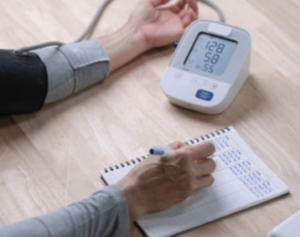
Long-term blood pressure control requires regular monitoring.
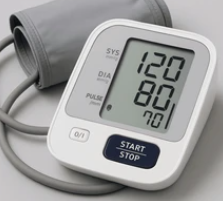
Home readings help track progress and treatment response.
Adjustments are often needed over time.
Consistent monitoring prevents complications.
Patients should maintain a blood pressure log.
Sharing readings with healthcare providers improves treatment decisions.
Monitoring empowers patients to take control of their health.
Knowledge leads to better outcomes.
Prevention Strategies for Blood Pressure Disease
Prevention is more effective than treatment.
Healthy habits established early reduce lifetime risk.
Most cases of hypertension are preventable.
Awareness and consistency are key.
For a full overview, read our
complete blood pressure disease pillar guide
.
Frequently Asked Questions (FAQs)
Can blood pressure be controlled without medication?
Yes, many people control blood pressure through lifestyle changes alone.
How long does blood pressure treatment last?
Treatment is often lifelong but may change over time.
Are blood pressure medicines safe?
Yes, when taken as prescribed and monitored regularly.
Can exercise replace medication?
Exercise helps but does not always replace medication.
Is low blood pressure dangerous?
Severe low blood pressure can be life-threatening.
How often should BP be monitored?
As advised by your healthcare provider.
Does stress management really help?
Yes, it significantly improves blood pressure control.
Can diet alone prevent hypertension?
Diet greatly reduces risk but works best with other habits.
Is blood pressure disease reversible?
Early-stage cases can often be controlled or reversed.
What is the best prevention strategy?
Healthy lifestyle habits started early.
Medical Disclaimer:
The information provided on NewsForWellness.com is for educational and informational purposes only and is not intended as medical advice. Content is not a substitute for professional medical diagnosis, treatment, or care. Always seek advice from a qualified healthcare provider in the United States, United Kingdom, or your local region regarding medical conditions, medications, or treatment decisions. Never ignore professional medical advice or delay seeking treatment because of information found on this website.
Explore Related Articles:
Pillar: Blood Pressure Disease Complete Guide
Cluster 3: Diagnosis & Medical Tests