Symptoms of Liver Disease: Early Signs, Advanced Warning Symptoms & When to See a Doctor (2025)
The symptoms of liver disease often develop slowly and quietly, which is why many people do not realize something is wrong until the condition becomes serious. The liver is a powerful organ that can continue working even when partially damaged. This ability makes liver disease especially dangerous because symptoms may appear late.
Liver disease affects digestion, detoxification, hormone balance, and blood clotting. When liver cells become inflamed or scarred, toxins begin to accumulate in the body. This gradual buildup leads to physical, mental, and digestive symptoms that worsen over time.
Many early symptoms of liver disease are mistaken for common problems such as stress, poor sleep, or indigestion. Because these signs seem minor, people often delay medical evaluation. Unfortunately, delayed diagnosis increases the risk of permanent liver damage.
This comprehensive guide explains all major symptoms of liver disease in simple language, helping you recognize warning signs early and understand when medical care is necessary.
What Is Liver Disease?
Liver disease refers to any condition that damages liver cells or interferes with normal liver function. The liver plays a critical role in cleaning toxins from the blood, producing bile for digestion, regulating blood sugar, and storing essential nutrients.
When the liver becomes diseased, these vital processes slow down or stop working properly. As a result, toxins remain in the bloodstream and affect other organs such as the brain, heart, and kidneys.
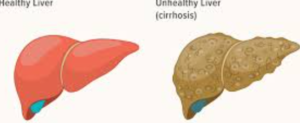
Liver disease may be temporary or long-term. Some forms improve with lifestyle changes, while others progress to cirrhosis or liver failure if untreated.
Understanding what liver disease is helps explain why symptoms can appear in many different parts of the body.
Why Liver Disease Often Goes Unnoticed
Liver disease is often called a “silent disease” because symptoms may not appear until significant damage has occurred. The liver contains very few pain-sensing nerves, so inflammation rarely causes sharp pain.
Another reason liver disease goes unnoticed is that healthy liver cells compensate for damaged ones. This allows the liver to continue functioning even when injury is present.
Early symptoms such as fatigue or nausea are common in everyday life, making them easy to ignore. People often attribute these signs to stress, diet, or aging.
Routine health screenings are not always performed unless symptoms become severe, further delaying diagnosis.
- Symptoms develop slowly and feel non-specific, making them easy to dismiss as temporary issues rather than signs of organ disease. Many people continue daily activities without realizing internal damage is occurring.
- The liver’s ability to regenerate masks early injury, allowing disease to progress silently for months or even years without clear warning signs.
- Common symptoms overlap with digestive problems, anxiety, or sleep disorders, which leads to misinterpretation and delayed medical attention.
Early Symptoms of Liver Disease
Early symptoms of liver disease are usually mild but should never be ignored. These signs indicate that liver function is beginning to decline.
At this stage, liver damage may still be reversible if the cause is identified and treated promptly.
Because symptoms are subtle, awareness is essential for early diagnosis.
Recognizing these early warning signs can prevent progression to severe disease.
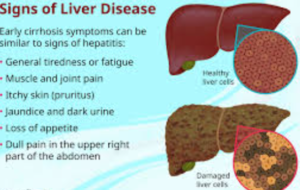
Persistent Fatigue
Ongoing tiredness is one of the most common early symptoms of liver disease. The liver’s reduced ability to process nutrients leads to low energy levels.
Toxins that are normally removed from the body begin to circulate in the bloodstream, causing constant exhaustion.
Fatigue related to liver disease does not improve with rest or sleep.
This symptom often interferes with daily activities and work performance.
Loss of Appetite
Liver disease affects bile production, which plays a major role in digestion. Reduced bile flow leads to poor appetite.
People may feel full quickly even after eating small amounts of food.
Over time, reduced appetite contributes to nutritional deficiencies.
This symptom often appears alongside nausea or indigestion.
Nausea and Digestive Upset
Nausea occurs when toxins accumulate in the bloodstream due to impaired liver detoxification.
Digestive discomfort is common after fatty or heavy meals.
Some people experience vomiting or persistent stomach upset.
These symptoms are often mistaken for simple gastritis.
Progressive Symptoms of Liver Disease
As liver damage worsens, symptoms become more noticeable and persistent. At this stage, medical evaluation is essential.
Progressive symptoms indicate that inflammation or scarring is affecting liver function.
Ignoring these signs may result in irreversible liver injury.
Prompt diagnosis can still slow disease progression.
- Jaundice causes yellowing of the skin and eyes due to bilirubin buildup. This occurs when the liver can no longer process waste pigments effectively. Jaundice is a serious warning sign that requires immediate medical evaluation.
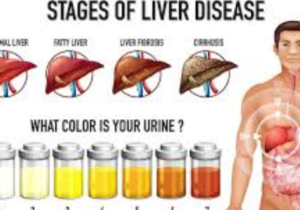
- Dark urine appears when excess bilirubin is excreted through the kidneys. The urine may look brown or tea-colored. This change is often noticed before jaundice becomes visible.
- Pale stools occur when bile does not reach the intestines. This results in light-colored or clay-colored bowel movements. It signals bile flow obstruction or liver dysfunction.
Advanced Symptoms of Liver Disease
Advanced liver disease indicates severe damage such as cirrhosis or liver failure. At this stage, complications can be life-threatening.
The liver loses its ability to filter toxins, regulate fluids, and produce essential proteins.
Hospital care is often required for symptom management.
Advanced symptoms should never be ignored.
- Ascites is fluid buildup in the abdomen that causes visible swelling. This occurs due to increased blood pressure in liver vessels. Ascites can cause pain, breathing difficulty, and infection risk.
- Swelling of legs and ankles results from low protein levels in the blood. Fluid leaks into surrounding tissues. This swelling worsens by the end of the day.
- Hepatic encephalopathy causes confusion, memory loss, and personality changes. Toxins affect brain function when the liver cannot filter them. Severe cases may lead to coma.
Symptoms of Liver Disease in Men
Men with liver disease may experience hormonal changes due to impaired metabolism of sex hormones.
These symptoms can affect physical health and emotional well-being.
Many men hesitate to report these changes, delaying diagnosis.
Medical evaluation is essential when these symptoms appear.
- Reduced libido occurs due to altered hormone levels. Testosterone imbalance affects sexual desire. This symptom often develops gradually.
- Erectile dysfunction may result from poor blood flow and hormone disruption. It commonly appears alongside fatigue and weakness.
- Breast enlargement happens when estrogen levels increase. This condition, known as gynecomastia, signals advanced liver dysfunction.
Symptoms of Liver Disease in Women
Liver disease can disrupt hormone regulation in women, leading to reproductive changes.
Symptoms often worsen during advanced stages.
These changes may affect fertility and menstrual cycles.
Early diagnosis helps prevent long-term complications.
- Irregular menstrual cycles occur due to estrogen imbalance. Periods may become infrequent or stop completely.
- Increased fatigue is common because of metabolic and hormonal disruption. This fatigue often worsens during physical activity.
- Hair thinning may result from nutrient deficiencies and hormone imbalance. This symptom is often overlooked.
When to See a Doctor
Medical attention should be sought immediately if severe symptoms develop.
Early treatment improves outcomes significantly.
Delaying care increases the risk of liver failure.
Never ignore warning signs.
- Persistent jaundice indicates severe liver dysfunction and should be evaluated urgently.
- Vomiting blood or black stools may signal internal bleeding and requires emergency care.
- Sudden confusion or extreme drowsiness may indicate hepatic encephalopathy.
This article is part of our Complete Liver Disease Guide.
Read the full Liver Disease pillar article →
Medical Disclaimer
This content is for educational purposes only and does not replace professional medical advice. Always consult a qualified healthcare provider for diagnosis and treatment.