Diagnosing blood pressure disease accurately is the foundation of effective treatment and long-term prevention.
Many people assume that a single high reading confirms hypertension, but proper diagnosis requires careful and repeated evaluation.
Medical professionals use standardized techniques, clinical judgment, and diagnostic tests to determine the true blood pressure status.
This article explains every step of blood pressure diagnosis in clear and simple language for the general public.
Recommended Reading:
Blood Pressure Disease: Complete Guide to Causes, Symptoms, Treatment & Prevention
Causes and Risk Factors of Blood Pressure Disease
Symptoms of Blood Pressure Disease
Treatment and Lifestyle Management for Blood Pressure
Table of Contents
- Why Proper Diagnosis of Blood Pressure Is Important
- How Blood Pressure Is Measured
- Clinic and Office Blood Pressure Readings
- Home Blood Pressure Monitoring
- Ambulatory Blood Pressure Monitoring (ABPM)
- Blood Pressure Categories and Ranges
- Additional Medical Tests for BP Evaluation
- Tests to Identify Secondary Hypertension
- Diagnosis of Low Blood Pressure
- How Diagnosis Helps in Prevention
Why Proper Diagnosis of Blood Pressure Is Important
Correct diagnosis of blood pressure disease prevents both over-treatment and under-treatment.
A single high reading may be caused by stress, anxiety, or temporary illness.
Misdiagnosis can lead to unnecessary medication or ignored health risks.
Accurate diagnosis ensures that treatment is safe, effective, and personalized.
Blood pressure disease often progresses silently.
Without proper testing, organ damage may begin before symptoms appear.
Timely diagnosis allows early lifestyle changes and medical intervention.
This significantly reduces the risk of heart attack, stroke, and kidney failure.
How Blood Pressure Is Measured
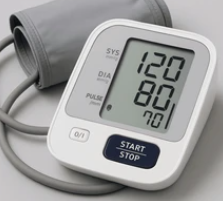
Blood pressure is measured using a device called a sphygmomanometer.
It records two values: systolic pressure and diastolic pressure.
Systolic pressure measures force during heartbeats, while diastolic measures force between beats.
Accurate measurement requires proper technique and patient preparation.
Measurements should be taken after resting for at least five minutes.
The arm must be supported at heart level, and the cuff size should be correct.
Talking, moving, or stress can falsely elevate readings.
These guidelines ensure reliable results.
Clinic and Office Blood Pressure Readings
Most people first learn about their blood pressure during clinic visits.
Healthcare providers typically take multiple readings on different visits.
This helps confirm whether elevated pressure is persistent.
Single readings are not sufficient for diagnosis.
-
White Coat Hypertension:
Some patients show high readings only in medical settings.
Anxiety during doctor visits temporarily raises blood pressure. -
Masked Hypertension:
Blood pressure appears normal in clinics but high at home.
This condition increases cardiovascular risk if undetected.
Home Blood Pressure Monitoring
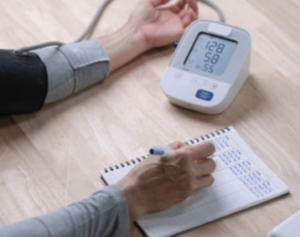
Home blood pressure monitoring provides valuable insight into daily pressure patterns.
It eliminates anxiety-related spikes seen in clinical settings.
Doctors often recommend home monitoring for ongoing evaluation.
Proper technique is essential for accurate results.
-
Consistency:
Readings should be taken at the same time each day.
This improves reliability and trend analysis. -
Validated Devices:
Only clinically approved monitors should be used.
Incorrect devices can give misleading results.
Ambulatory Blood Pressure Monitoring (ABPM)
Ambulatory blood pressure monitoring measures BP over 24 hours.
It records readings during daily activities and sleep.
This method provides the most accurate blood pressure profile.
Doctors consider ABPM the gold standard for diagnosis.
ABPM helps identify nighttime hypertension and abnormal pressure patterns.
It also confirms white coat or masked hypertension.
Although less convenient, it offers unmatched diagnostic accuracy.
This test is especially useful for unclear cases.
Blood Pressure Categories and Ranges
Blood pressure readings are classified into standard categories.
These categories guide treatment decisions and risk assessment.
Even slightly elevated readings may require lifestyle modification.
Understanding categories helps patients track their condition.
-
Normal:
Systolic below 120 and diastolic below 80.
Indicates healthy blood pressure. -
Elevated:
Systolic 120–129 with normal diastolic.
Lifestyle changes are recommended. -
Hypertension:
Systolic ≥130 or diastolic ≥80.
Medical evaluation and treatment needed.
Additional Medical Tests for BP Evaluation
Blood pressure disease may damage organs silently.
Doctors order additional tests to assess organ health.
These tests help identify complications early.
They also guide treatment intensity.
-
Blood Tests:
Evaluate kidney function, cholesterol, and blood sugar.
Abnormal results indicate increased cardiovascular risk. -
Urine Tests:
Detect kidney damage through protein levels.
Early detection prevents progression. -
ECG and Echocardiogram:
Assess heart structure and function.
Identify heart enlargement or strain.
Tests to Identify Secondary Hypertension
When blood pressure rises suddenly or appears at a young age, secondary causes are suspected.
Doctors perform targeted tests to find underlying conditions.
Treating the root cause often normalizes blood pressure.
This approach avoids lifelong medication when possible.
-
Kidney Imaging:
Ultrasound or CT scans identify structural kidney problems. -
Hormone Level Tests:
Assess adrenal and thyroid gland function.
Hormonal imbalance can cause severe hypertension.
Diagnosis of Low Blood Pressure
Low blood pressure diagnosis focuses on symptoms and clinical context.
Not all low readings are dangerous.
Doctors evaluate posture-related changes and underlying conditions.
Sudden drops require immediate investigation.
-
Orthostatic Testing:
Measures BP changes when standing.
Identifies postural hypotension. -
Cardiac Evaluation:
Assesses heart rhythm and pumping ability.
Helps rule out cardiac causes.
How Accurate Diagnosis Helps in Prevention
Early and accurate diagnosis prevents irreversible organ damage.
Lifestyle changes are most effective when initiated early.
Monitoring allows timely treatment adjustments.
Prevention begins with knowing your numbers.
Learn more in our detailed article on
blood pressure treatment and prevention strategies
.
Frequently Asked Questions (FAQs)
How many readings are needed to diagnose high blood pressure?
Multiple readings on different days are required for accurate diagnosis.
Is home blood pressure monitoring reliable?
Yes, when done correctly using validated devices.
What is white coat hypertension?
It is elevated BP in clinical settings due to anxiety.
What test is most accurate for BP diagnosis?
Ambulatory blood pressure monitoring is the most accurate.
Can blood tests detect blood pressure disease?
They help identify complications and contributing conditions.
Is one high reading dangerous?
One reading alone does not confirm disease.
Can low blood pressure be diagnosed at home?
Symptoms plus readings guide diagnosis.
Should BP be checked at night?
Night readings help detect hidden hypertension.
Can diagnosis prevent complications?
Yes, early diagnosis significantly lowers risk.
How often should BP be tested?
At least once yearly, or more often if advised.