Liver disease is a growing global health concern affecting millions of people across the United States, the United Kingdom, and worldwide. The liver is one of the most vital organs in the human body, responsible for detoxification, digestion, metabolism, and immune support.
When the liver becomes damaged due to infection, lifestyle factors, or chronic illness, it can no longer perform these essential functions efficiently. Liver disease often progresses silently, making early awareness and prevention critically important.
This pillar guide explains liver disease in simple, understandable language, covering symptoms, causes, diagnosis, treatment, and prevention based on updated medical knowledge for 2025.
Whether you are looking to protect your liver or manage an existing condition, this guide provides reliable, easy-to-follow information.
What Is Liver Disease?
Liver disease refers to any condition that damages the liver and prevents it from functioning properly. It may develop suddenly or progress slowly over many years, depending on the cause.
The liver plays a central role in filtering toxins from the blood, producing bile for digestion, storing vitamins, and regulating cholesterol and blood sugar levels.
When liver cells become inflamed or scarred, these vital processes are disrupted, leading to widespread health problems.
Liver disease ranges from mild, reversible conditions to severe, life-threatening disorders.
- Liver disease can be acute or chronic. Acute disease develops rapidly, while chronic disease progresses slowly over years.
- Many liver conditions remain symptom-free initially. This makes regular screening essential for early detection.
- Early treatment can prevent permanent liver damage. Awareness significantly improves outcomes.
Types of Liver Disease?
There are several types of liver disease, each with unique causes and health risks. Understanding these types helps guide proper treatment and prevention strategies.
Some liver diseases are caused by infections, while others result from lifestyle factors or genetic conditions.
Certain types are reversible with lifestyle changes, while others may require lifelong management.
Early diagnosis improves long-term liver health.
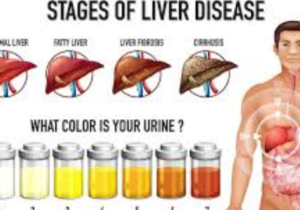
- Fatty liver disease occurs when excess fat accumulates in liver cells. It is commonly linked to obesity and diabetes.
- Hepatitis A, B, and C are viral infections that cause liver inflammation. Chronic hepatitis can lead to cirrhosis.
- Alcoholic liver disease results from long-term excessive alcohol consumption. It is preventable with alcohol control.
👉 Read full guide:
Causes of Liver Disease
Symptoms of Liver Disease?
Liver disease symptoms vary depending on the stage and severity of the condition. Early symptoms are often mild and easily overlooked.
As liver damage progresses, symptoms become more noticeable and may affect daily life.
Advanced liver disease can cause severe complications requiring urgent medical attention.
Recognizing warning signs early can prevent serious outcomes.
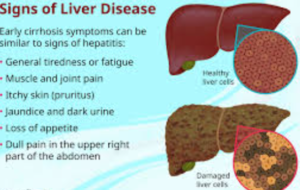
- Early symptoms include fatigue, nausea, loss of appetite, and mild abdominal discomfort.
- Advanced symptoms include jaundice, swelling, dark urine, and confusion.
- Emergency signs include vomiting blood and severe abdominal pain. Immediate care is required.
👉 Detailed guide:
Symptoms of Liver Disease
Diagnosis of Liver Disease
Diagnosing liver disease involves a combination of medical history, physical examination, and laboratory tests.
Doctors assess liver function using blood tests that measure enzyme and protein levels.
Imaging and biopsy may be required to determine disease severity.
Early diagnosis allows effective treatment planning.
- Liver function tests reveal inflammation and damage. They are often the first diagnostic step.
- Ultrasound and CT scans show liver size and structure. They help detect fatty liver and tumors.
- Liver biopsy confirms diagnosis in complex cases. It provides detailed tissue analysis.
👉 Learn how liver disease is diagnosed:
Diagnosis of Liver Disease
Treatment of Liver Disease
Treatment depends on the cause and stage of liver disease. Early stages often respond well to lifestyle changes.
Medications may be used to control infection, inflammation, or complications.
Advanced disease may require surgery or liver transplantation.
Timely treatment improves survival and quality of life.
- Lifestyle treatment includes healthy diet, exercise, and alcohol avoidance.
- Medications treat viral hepatitis and complications like fluid retention.
- Liver transplant is considered for end-stage disease. It offers a second chance at life.
👉 Explore treatment and prevention options:
Treatment & Prevention of Liver Disease
Prevention of Liver Disease
Many forms of liver disease are preventable through healthy lifestyle choices and early medical care.
Prevention focuses on reducing exposure to liver toxins and maintaining metabolic health.
Vaccination plays a crucial role in preventing viral hepatitis.
Regular health screenings support early intervention.
- Maintain a healthy weight and balanced diet to prevent fatty liver disease.
- Limit alcohol intake to protect liver cells.
- Get vaccinated against hepatitis A and B for long-term protection.
Frequently Asked Questions About Liver Disease
What is the earliest sign of liver disease?
Early signs of liver disease include fatigue, nausea, loss of appetite, and mild abdominal discomfort. These symptoms are often subtle and easily ignored.
Can liver disease be cured?
Some forms of liver disease can be reversed if detected early. Chronic conditions may not be curable but can be effectively managed.
Is fatty liver disease dangerous?
Fatty liver disease can become serious if untreated. Lifestyle changes can often reverse the condition.
What foods are bad for the liver?
Processed foods, excess sugar, alcohol, and fried foods can worsen liver health and should be limited.
How is liver disease diagnosed?
Doctors use blood tests, imaging scans, and sometimes biopsy to diagnose liver disease accurately.
Can liver disease cause weight loss?
Yes, advanced liver disease may cause unintentional weight loss and muscle wasting.
Is alcohol the main cause of liver disease?
Alcohol is a major cause, but obesity, viral hepatitis, and medications also contribute significantly.
Can liver disease be prevented?
Many types of liver disease are preventable through healthy lifestyle choices and vaccination.
Does liver disease cause itching?
Yes, bile buildup in liver disease can cause persistent skin itching.
When should I see a doctor?
Seek medical advice if symptoms persist or worsen, especially jaundice, swelling, or confusion.
Final Thoughts
Liver disease is a serious but often preventable health condition. Early awareness, lifestyle changes, and medical care can significantly reduce risks.
By understanding symptoms, causes, diagnosis, treatment, and prevention, individuals can take control of their liver health.
This pillar guide serves as a foundation for informed decision-making and long-term wellness.
Always consult a qualified healthcare professional for personalized medical advice.
Medical Disclaimer:
The information provided on newsforwellness.com is for educational purposes only and does not substitute professional medical advice, diagnosis, or treatment. Always consult a qualified healthcare provider in the United States or the United Kingdom regarding any medical condition or treatment decisions.