Learn evidence-based treatment & prevention of heart disease, including medications, lifestyle changes, diet, exercise, and modern medical therapies to protect heart health in 2025.
Introduction
Heart disease remains the leading cause of death worldwide, affecting millions of people across all age groups. Despite advances in medical science, cardiovascular disease continues to rise due to sedentary lifestyles, unhealthy diets, stress, and chronic conditions such as diabetes and hypertension. Understanding the treatment & prevention of heart disease is essential not only for those diagnosed with cardiac conditions but also for individuals seeking to protect their long-term heart health.
The good news is that heart disease is largely preventable and manageable. Modern medicine offers highly effective treatments, while lifestyle modifications can significantly reduce risk and improve quality of life. This comprehensive guide explores the treatment & prevention of heart disease, covering medical therapies, lifestyle interventions, dietary strategies, exercise recommendations, mental health considerations, and preventive screening methods.
By adopting evidence-based practices and proactive care, individuals can reduce complications, slow disease progression, and even reverse certain forms of heart disease.
Understanding Heart Disease
Heart disease, also known as cardiovascular disease (CVD), refers to a group of conditions affecting the heart and blood vessels. These conditions impair blood flow, oxygen delivery, and overall cardiac function.
Common Types of Heart Disease
- Coronary artery disease (CAD)
- Heart attack (myocardial infarction)
- Heart failure
- Arrhythmias (irregular heartbeats)
- Valvular heart disease
- Cardiomyopathy
- Congenital heart disease
Major Risk Factors
- High blood pressure
- High cholesterol
- Smoking
- Diabetes
- Obesity
- Physical inactivity
- Chronic stress
- Family history
- Aging
Understanding these risk factors is the first step toward effective treatment & prevention of heart disease.
Goals of Heart Disease Treatment
The primary objectives of treating heart disease include:
- Relieving symptoms such as chest pain and shortness of breath
- Preventing disease progression
- Reducing complications like heart attacks and strokes
- Improving quality of life
- Extending life expectancy
Treatment plans are individualized and often involve a combination of medications, lifestyle changes, and medical procedures.
Medical Treatment of Heart Disease
1. Medications for Heart Disease
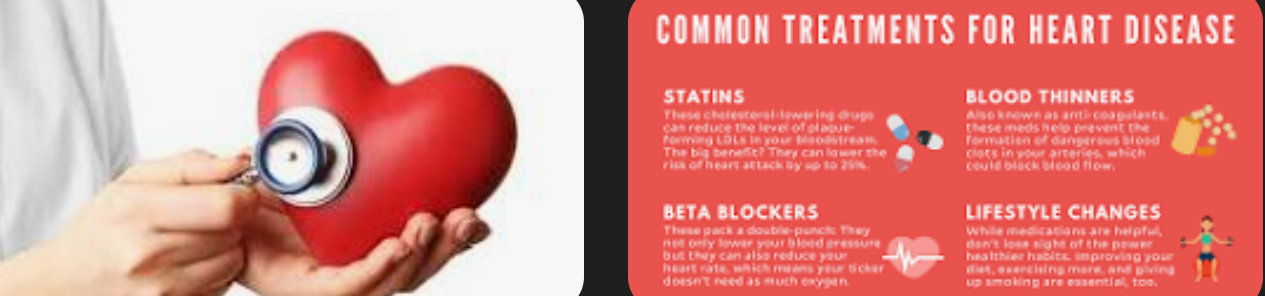
Medications are a cornerstone of heart disease management. They help control symptoms, reduce risk factors, and prevent complications.
a. Blood Pressure Medications
- ACE inhibitors
- Angiotensin II receptor blockers (ARBs)
- Beta-blockers
- Calcium channel blockers
- Diuretics
These drugs reduce strain on the heart and lower the risk of heart attack and stroke.
b. Cholesterol-Lowering Drugs
- Statins
- Ezetimibe
- PCSK9 inhibitors
Lowering LDL cholesterol is critical in the treatment & prevention of heart disease, especially coronary artery disease.
c. Antiplatelet and Anticoagulant Drugs
- Aspirin
- Clopidogrel
- Warfarin
- Direct oral anticoagulants (DOACs)
These medications prevent blood clots that can lead to heart attacks and strokes.
d. Medications for Heart Failure
- Beta-blockers
- ACE inhibitors
- ARBs
- Mineralocorticoid receptor antagonists
- SGLT2 inhibitors
They improve heart function and reduce hospitalizations.
2. Medical Procedures and Surgical Treatments
When medications alone are insufficient, medical interventions may be required.
a. Angioplasty and Stenting
A minimally invasive procedure that opens blocked arteries and restores blood flow.
b. Coronary Artery Bypass Grafting (CABG)
A surgical procedure that reroutes blood around blocked arteries using grafts.
c. Pacemakers and Implantable Devices
- Pacemakers
- Implantable cardioverter-defibrillators (ICDs)
- Cardiac resynchronization therapy (CRT)
d. Valve Repair or Replacement
Used for severe valve disease to restore normal blood flow.
Lifestyle Changes: The Foundation of Heart Disease Prevention
Lifestyle modification is the most powerful tool in the treatment & prevention of heart disease.
1. Heart-Healthy Diet
Diet plays a crucial role in cardiovascular health.
Recommended Dietary Patterns
- Mediterranean diet
- DASH diet
- Plant-based diets
Key Dietary Principles
- Increase fruits and vegetables
- Choose whole grains
- Limit saturated and trans fats
- Reduce salt intake
- Avoid processed foods
- Limit added sugars
Foods That Support Heart Health
- Fatty fish (salmon, sardines)
- Nuts and seeds
- Olive oil
- Legumes
- Leafy greens
2. Physical Activity and Exercise
Regular physical activity strengthens the heart and improves circulation.
Recommended Activity Levels
- At least 150 minutes of moderate aerobic activity per week
- Muscle-strengthening exercises twice weekly
Benefits of Exercise
- Lowers blood pressure
- Improves cholesterol levels
- Enhances insulin sensitivity
- Reduces stress
- Promotes weight control
3. Weight Management
Excess body weight increases the risk of hypertension, diabetes, and heart disease.
Healthy Weight Strategies
- Balanced calorie intake
- Regular exercise
- Avoid crash diets
- Focus on sustainable habits
Even modest weight loss can significantly improve heart health.
4. Smoking Cessation
Smoking damages blood vessels and accelerates atherosclerosis.
Benefits of Quitting Smoking
- Improved circulation
- Lower heart attack risk
- Reduced blood pressure
- Better lung function
Smoking cessation is one of the most effective strategies in the prevention of heart disease.
5. Stress Management and Mental Health
Chronic stress contributes to high blood pressure and unhealthy coping behaviors.
Effective Stress-Reduction Techniques
- Mindfulness meditation
- Yoga
- Deep breathing
- Adequate sleep
- Counseling or therapy
Mental well-being is increasingly recognized as essential for cardiovascular health.
Preventive Screening and Early Detection
Early detection allows timely intervention and better outcomes.
Essential Heart Health Screenings
- Blood pressure checks
- Cholesterol tests
- Blood glucose testing
- Body mass index (BMI)
- Electrocardiogram (ECG)
- Stress testing (when indicated)
Regular screening is a key component of the treatment & prevention of heart disease.
Managing Chronic Conditions to Prevent Heart Disease
1. Diabetes Management
- Blood sugar control
- Healthy diet
- Regular exercise
- Medication adherence
2. Hypertension Control
- Low-salt diet
- Stress reduction
- Regular monitoring
- Medication compliance
3. Cholesterol Control
- Dietary changes
- Physical activity
- Statin therapy when required
Role of Cardiac Rehabilitation
Cardiac rehabilitation is a medically supervised program that includes:
- Exercise training
- Nutrition counseling
- Lifestyle education
- Psychological support
It significantly reduces recurrence and improves survival rates after cardiac events.
Emerging Treatments and Advances in Heart Care
Modern cardiology continues to evolve with innovations such as:
- Minimally invasive surgeries
- Advanced imaging techniques
- Personalized medicine
- Wearable heart monitoring devices
- AI-assisted diagnostics
These advances enhance the effectiveness of heart disease treatment and long-term prevention.
Prevention Across Different Life Stages
Heart Disease Prevention in Young Adults
- Healthy eating habits
- Regular exercise
- Avoid smoking
- Stress management
Middle-Aged Adults
- Regular screenings
- Weight control
- Blood pressure monitoring
Older Adults
- Medication adherence
- Fall-safe physical activity
- Social engagement
- Regular medical follow-ups
Global and Public Health Perspective
Public health initiatives such as tobacco control, nutrition education, and accessible healthcare play a vital role in reducing the global burden of heart disease.
Community awareness and preventive strategies are essential for long-term impact.
Common Myths About Heart Disease Treatment
- Heart disease affects only older people ❌
- Medications alone are enough ❌
- Exercise is unsafe after heart disease ❌
Education helps eliminate myths and encourages proactive care.
Important
The treatment & prevention of heart disease requires a comprehensive, lifelong approach that combines medical care, lifestyle changes, and preventive strategies. While medications and procedures save lives, everyday habits such as healthy eating, physical activity, stress management, and regular screenings form the backbone of heart health.
Heart disease does not develop overnight, and neither does heart health. Small, consistent changes can lead to significant improvements, reducing the risk of complications and enhancing quality of life. With growing awareness and modern medical advancements, heart disease is no longer an inevitable fate but a manageable and often preventable condition.
Taking action today is the most powerful investment in a healthier heart and a longer, more active life.
FAQs
1. What is the most effective treatment for heart disease?
The most effective treatment for heart disease depends on the type and severity of the condition. It usually includes a combination of medications (such as statins, blood pressure drugs, and blood thinners), lifestyle changes, and in some cases medical procedures or surgery. Early diagnosis and consistent management greatly improve outcomes.
2. Can heart disease be prevented completely?
While heart disease cannot always be completely prevented, most cases can be significantly reduced or delayed. Maintaining a healthy diet, regular physical activity, avoiding smoking, managing stress, and controlling blood pressure and cholesterol are key strategies in the prevention of heart disease.
3. What lifestyle changes help prevent heart disease?
Healthy lifestyle changes include eating a heart-friendly diet, exercising regularly, maintaining a healthy weight, quitting smoking, limiting alcohol intake, managing stress, and getting adequate sleep. These habits form the foundation of treatment & prevention of heart disease.
4. Which foods are best for heart disease prevention?
Foods rich in fiber, healthy fats, and antioxidants are best for heart health. These include fruits, vegetables, whole grains, nuts, seeds, olive oil, and fatty fish like salmon. Reducing salt, sugar, and processed foods also lowers heart disease risk.
5. How does exercise help in treating heart disease?
Exercise strengthens the heart muscle, improves blood circulation, lowers blood pressure, reduces bad cholesterol (LDL), and helps manage body weight. Regular physical activity is an essential part of both heart disease treatment and long-term prevention.
6. Is medication always necessary for heart disease?
Not always. In early or mild cases, lifestyle changes may be sufficient. However, many people require medications to control blood pressure, cholesterol, or heart rhythm. Medication decisions should always be made by a healthcare professional.
7. Can stress increase the risk of heart disease?
Yes, chronic stress can raise blood pressure, increase inflammation, and lead to unhealthy behaviors such as poor diet and smoking. Managing stress through relaxation techniques, exercise, and mental health support helps protect heart health.
8. What role does cholesterol play in heart disease?
High LDL (bad) cholesterol contributes to plaque buildup in arteries, increasing the risk of heart attack and stroke. Managing cholesterol through diet, exercise, and medications is a critical part of preventing cardiovascular disease.
9. How often should heart health screenings be done?
Adults should check blood pressure at least once a year and cholesterol every 4–6 years, or more often if risk factors exist. Regular screenings help detect heart disease early and guide preventive treatment.
10. Can heart disease be reversed naturally?
Some forms of heart disease progression can be slowed or partially improved through intensive lifestyle changes such as a healthy diet, regular exercise, weight loss, and smoking cessation. However, medical supervision is essential, and not all heart conditions are reversible.
Medical Disclaimer
This article is for informational purposes only and does not replace professional medical advice. Always consult a qualified healthcare provider for diagnosis and treatment of heart-related conditions.